Visit
Visit 
An Overview of Tile Types & Where to Use Them

 Copy Link
 Email
Email
 Twitter
 Pinterest
 Instagram
 Facebook
If you’re new to tile or shopping for tile for the first time, you likely have questions. This post is a good place to start. We highlight the main tile types, their defining characteristics, and where they’re typically used.
What Are the Main Tile Material Types?
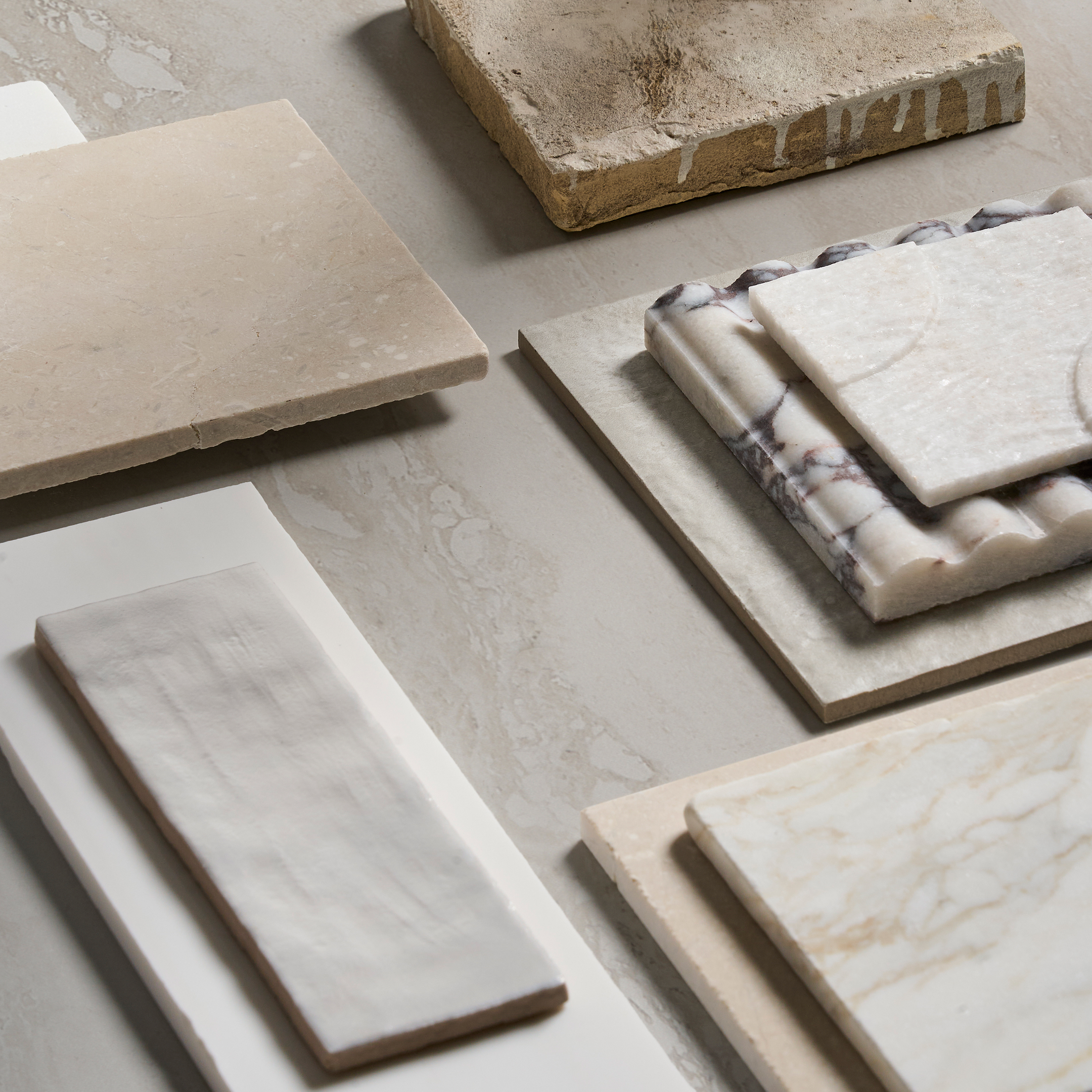
The most popular tile materials are ceramic, porcelain, natural stone, glass, and terrazzo. You can also make tile from materials like cement and mother-of-pearl, though they’re considered more niche. Tiles come as standalone pieces, ranging from small (4″ and below) to large (12″ and above) or as mesh-backed mosaics.
Ceramic: the classic pick
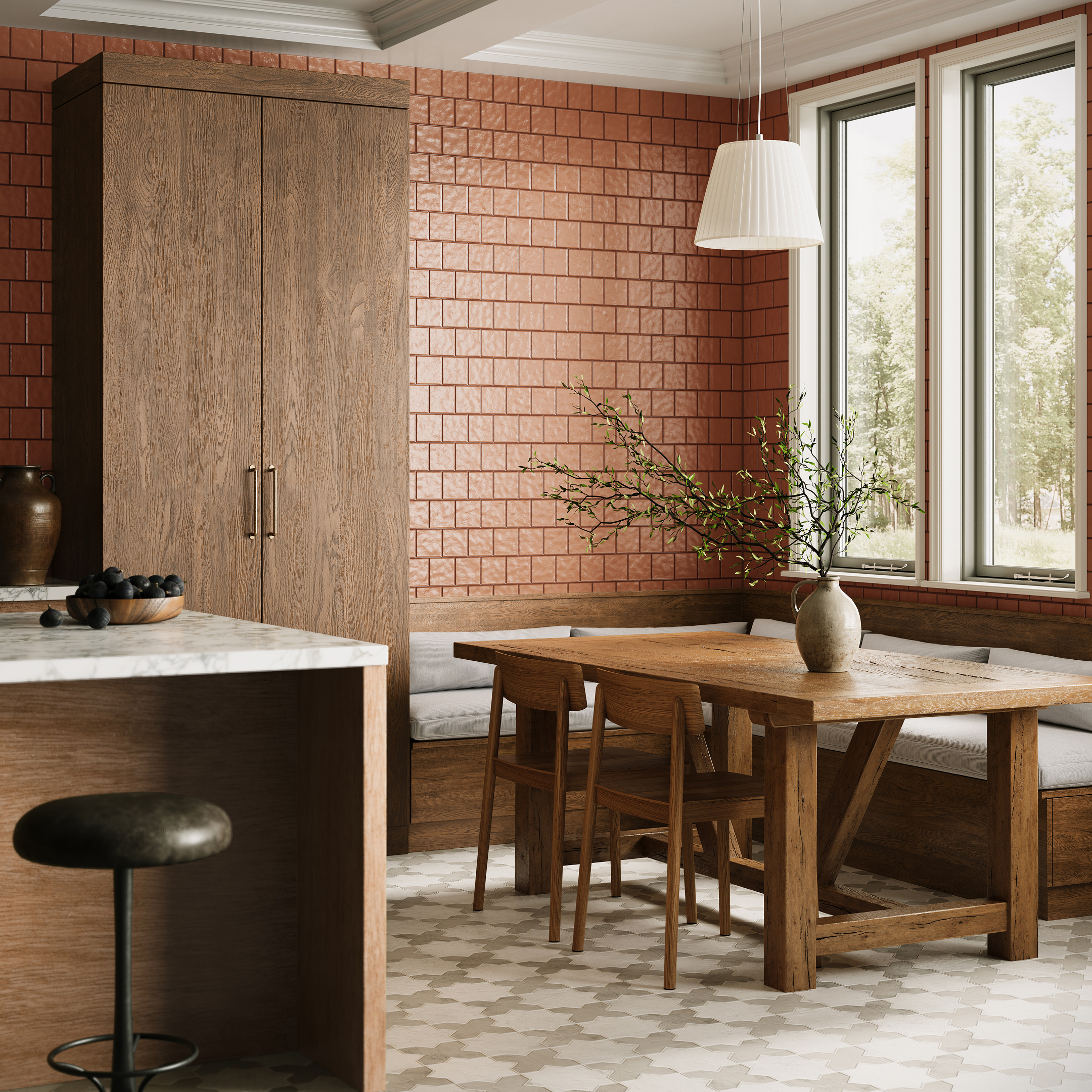
Ceramic tiles are made from clay that is fired at high temperatures and typically finished with a glaze. They can vary depending on the type of clay used and whether other natural materials (such as sand) have been added. Terracotta, for instance, is one type of ceramic made from natural clay. Ceramic tile is relatively durable, budget-friendly, and comes in an array of shapes and colors, making it a popular choice for kitchens, bathrooms, and entryways.
Porcelain: the durable pick
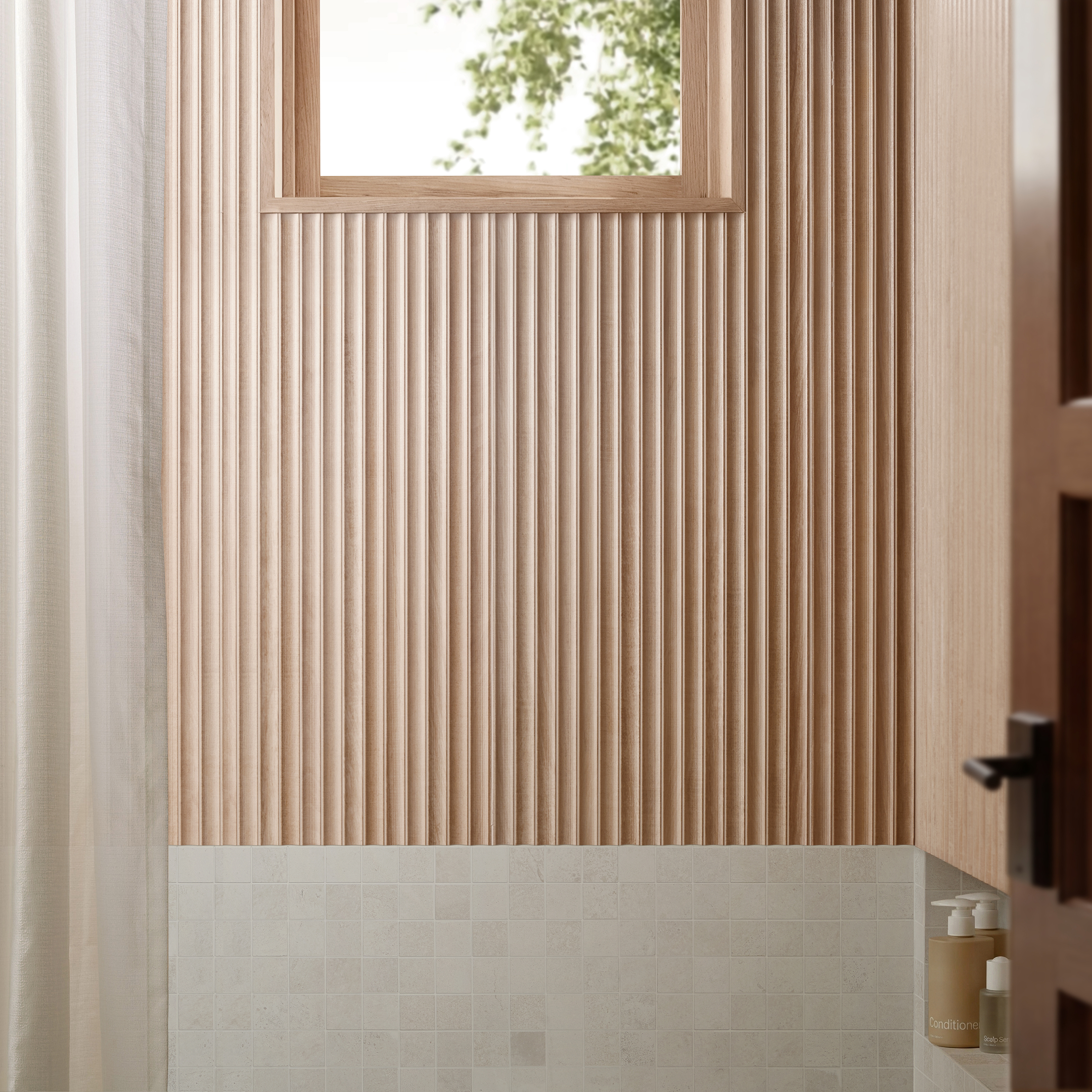
Resistant to moisture and chipping, porcelain is one of the most durable tile options available. It’s made from refined clay fired at very high temperatures—higher than ceramic—making it extremely dense. Porcelain tile is popular in wet areas (like showers and outdoors) as well as high-traffic spaces (such as kitchen floors). Because it’s more involved to produce, it’s typically more expensive than ceramic but less expensive than most natural stone. Porcelain is also a great chameleon and is often used to imitate the look of natural stone, wood, and cement.
Natural stone: the elegant pick
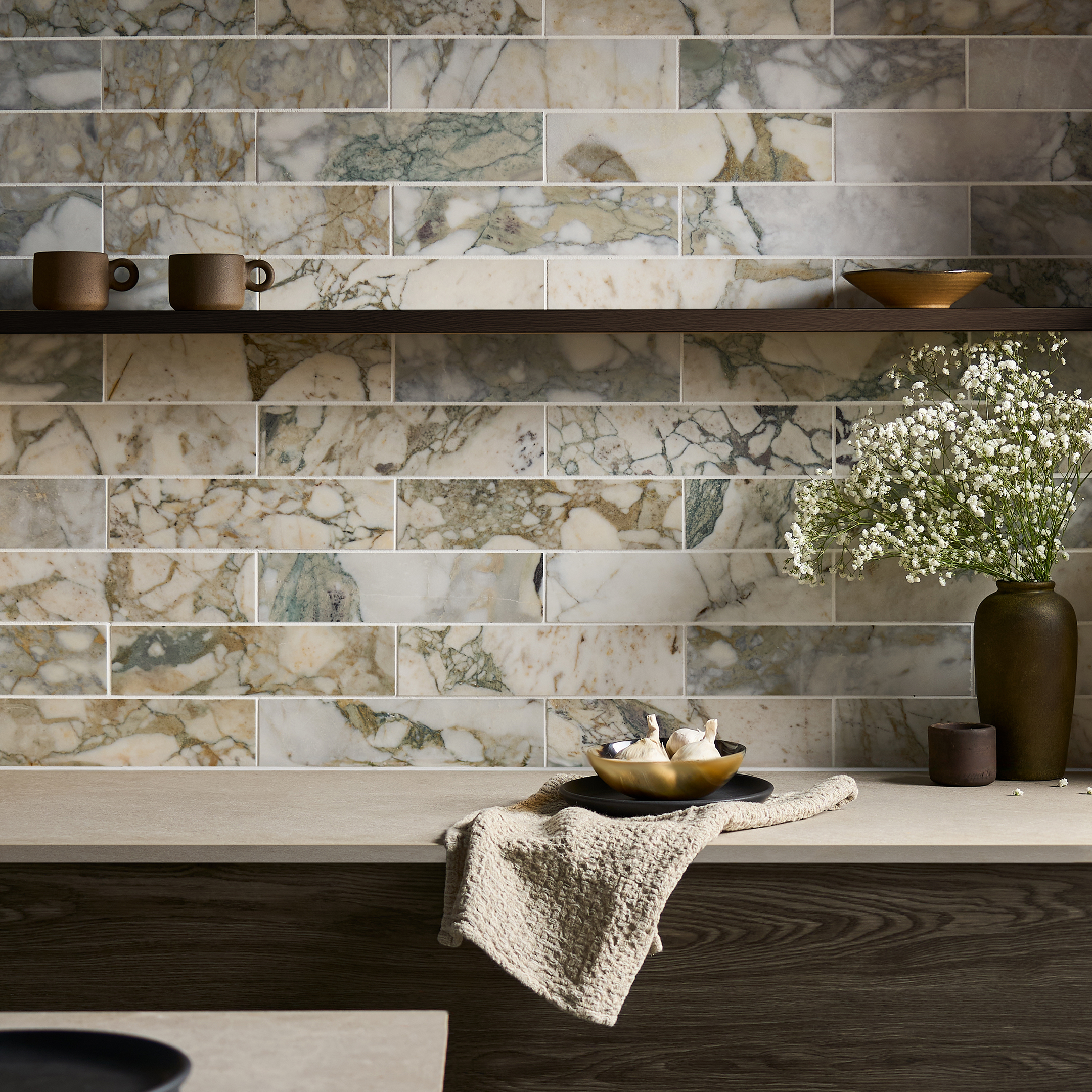
Natural stone is the most time-tested and timeless of tile options, with a luxe look enjoyed since ancient times. Whether marble, limestone, travertine, basalt, or slate, natural stone instantly elevates kitchens, bathrooms, and outdoor areas. Stone is porous, however, and requires periodic resealing to maintain its beauty. As a finite material that requires quarrying, cutting, and finishing, natural stone is also quite costly compared to ceramic or porcelain.
Glass: the luminous pick
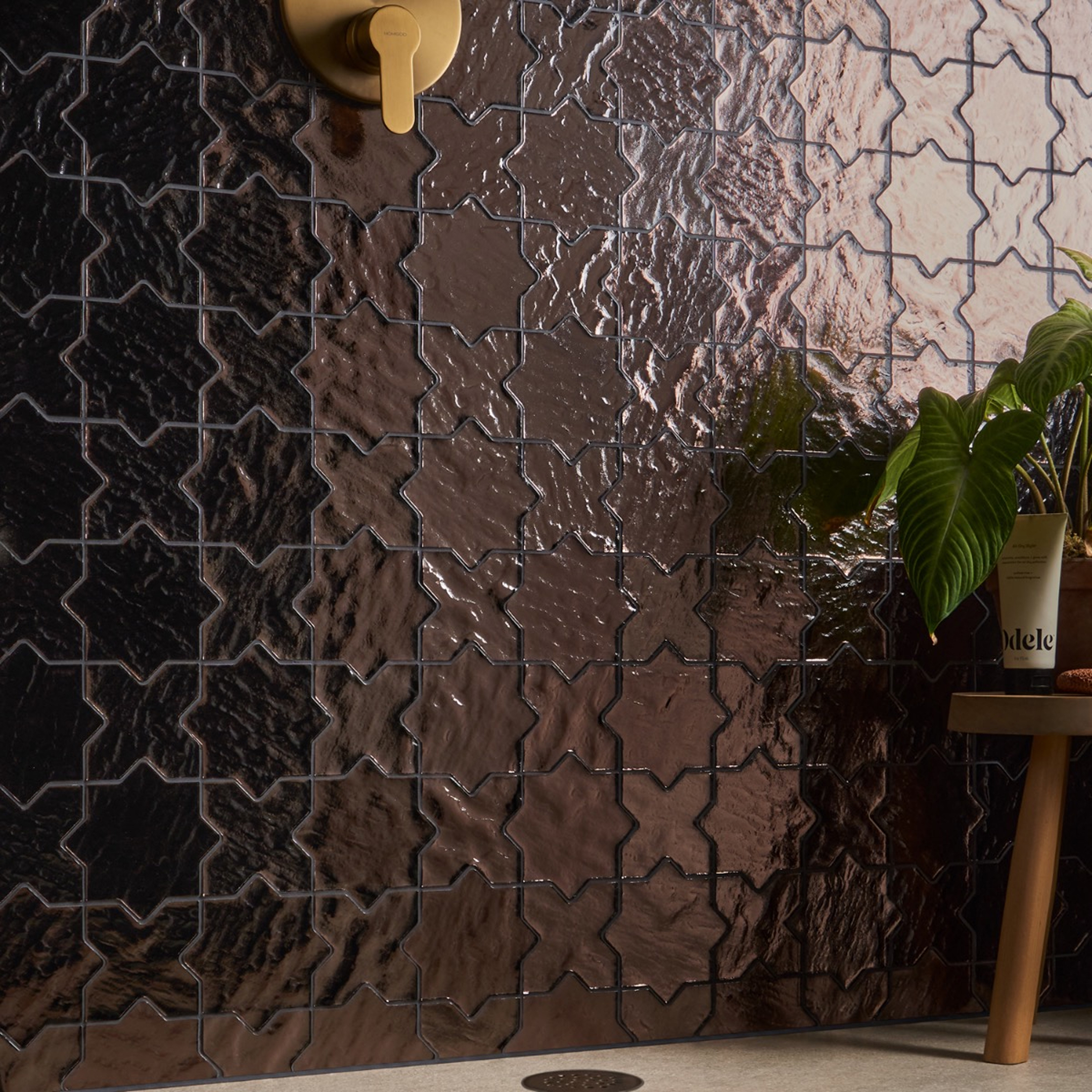
Highly reflective and available in a rainbow of colors, glass tile is made by coating the underside of glass pieces with pigment and then firing them. Despite their fragile appearance, glass tiles are highly durable once installed and resistant to water, mold, and harsh chemicals, making them popular for kitchen backsplashes, bathrooms, and pools. Due to its smooth surface, glass tile shouldn’t be used on floors unless in small formats or mosaic form, which provides more grout lines for improved traction.
Terrazzo: the trendy pick
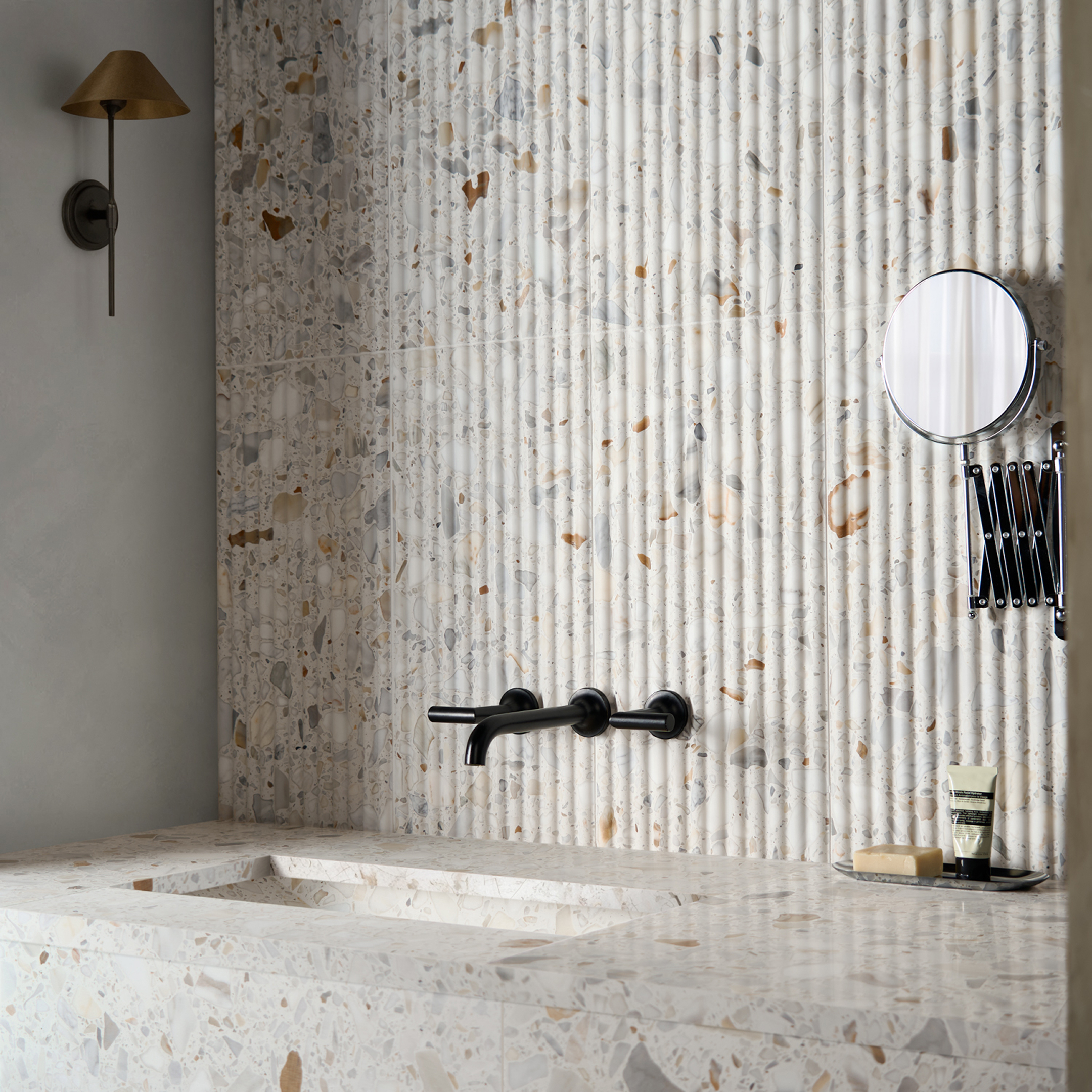
Terrazzo tile is a composite material made of chips (typically marble, though quartz, glass, and shells may also be used) set into either cement or resin. Once hardened, the mixture is cut and the pieces are polished smooth to reveal the colored chips within. Terrazzo originated in Italy and has had a resurgence in popularity thanks to its beauty, durability, and low maintenance, making it popular for floors, stairs, and kitchens.
Mosaics: the geometric pick
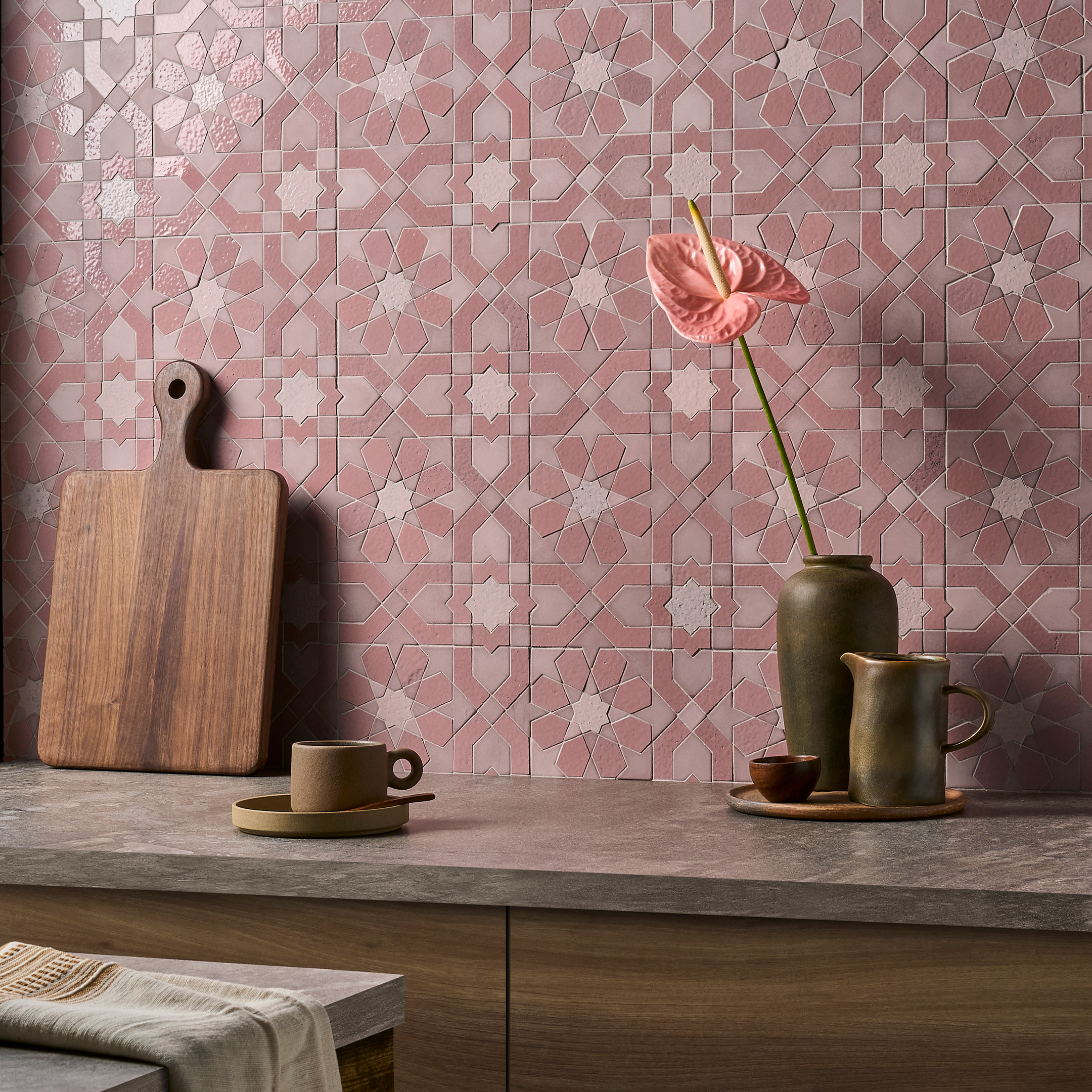
Mosaics can be made from all tile material types, from ceramic and porcelain to stone and glass. They come in a wide range of patterns, spanning tight penny rounds to intricate basketweaves and ornate waterjet-cut designs. What unifies this category is a repeated motif. Most mosaics today are mesh-backed for easier installation. Typically used in smaller doses, mosaics create visually engaging backsplashes and feature walls. They also tend to be more expensive than non-mosaic tiles in the same material due to the added labor involved in production and mounting.
Cement, pearl & metal: the niche picks
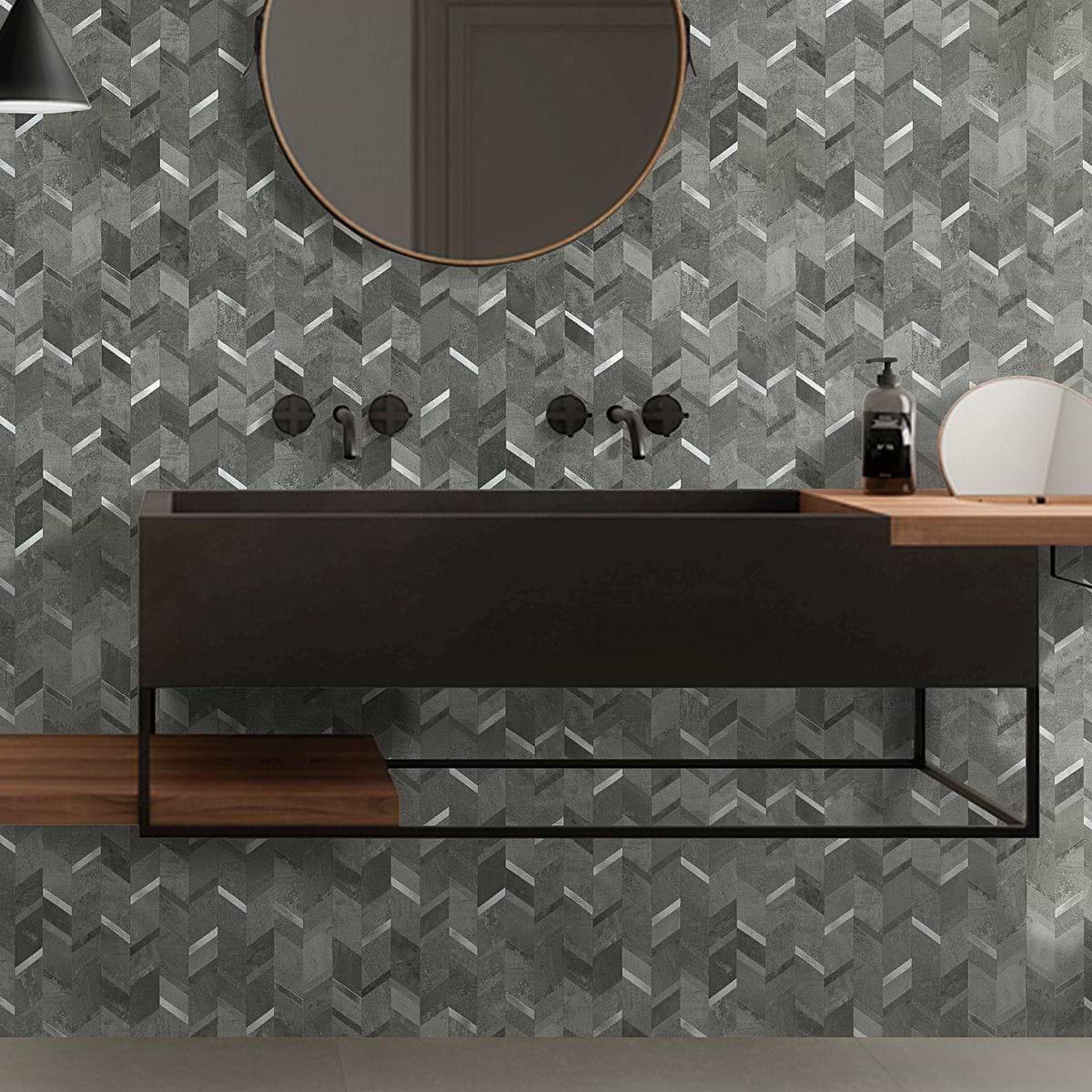
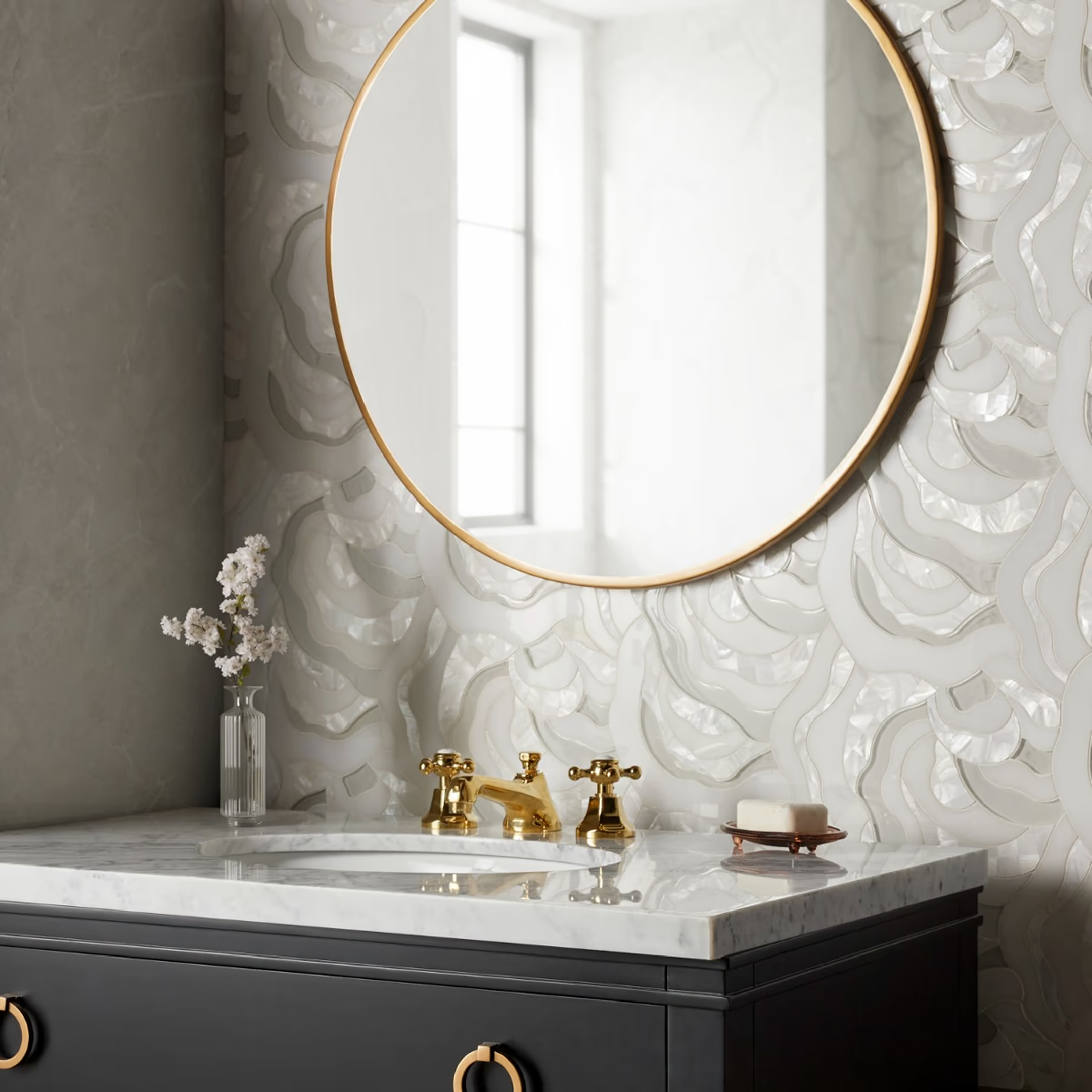
While the materials above are the most common, you’ll also find tile made from cement, mother-of-pearl, metal-coated porcelain, and more. These specialized options are typically used for their design flair in powder rooms and on feature walls or backsplashes.
How Do I Pick the Right Tile for My Space?
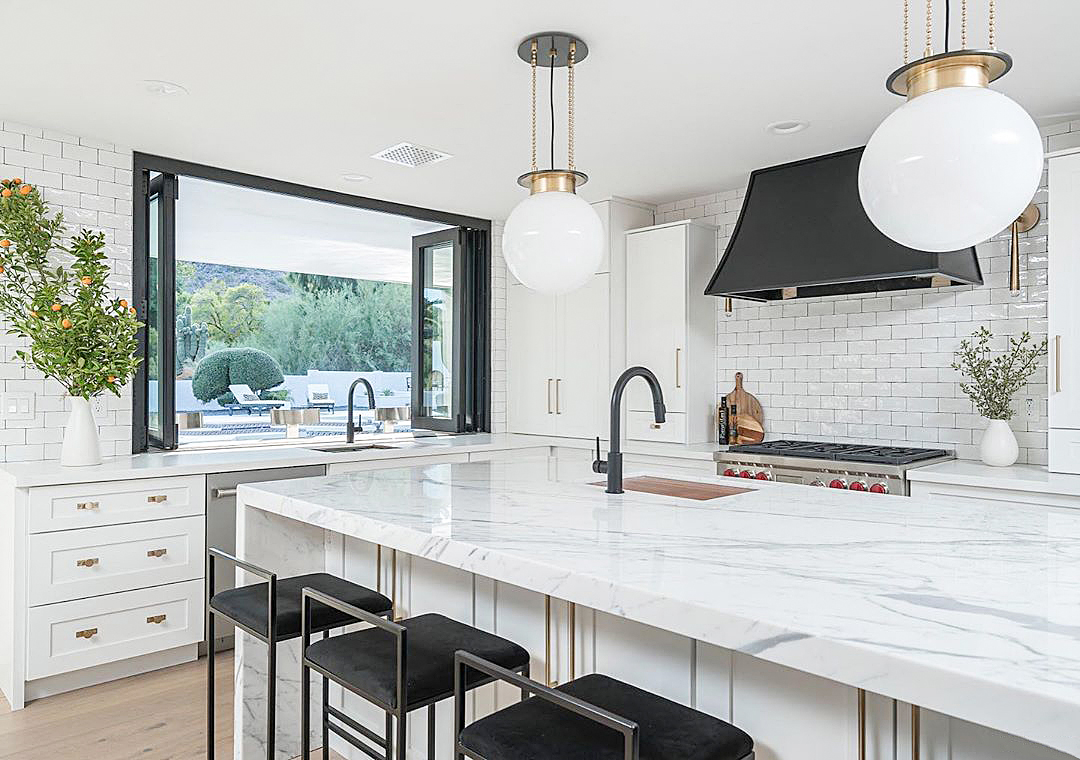
Kitchen backsplash: When picking a kitchen backsplash tile, you want something that will resist moisture and potential stains from food spills. This makes ceramic, porcelain, and glass tile (including mosaics) popular picks for backsplashes. Natural stone may also be used but requires more care and maintenance.
Kitchen floor: Kitchen floors are high-traffic spaces that call for exceptional durability. As such, porcelain and terrazzo tile are both popular for floor use. Natural stone is also popular and, budget allowing, though it does require more care and maintenance.
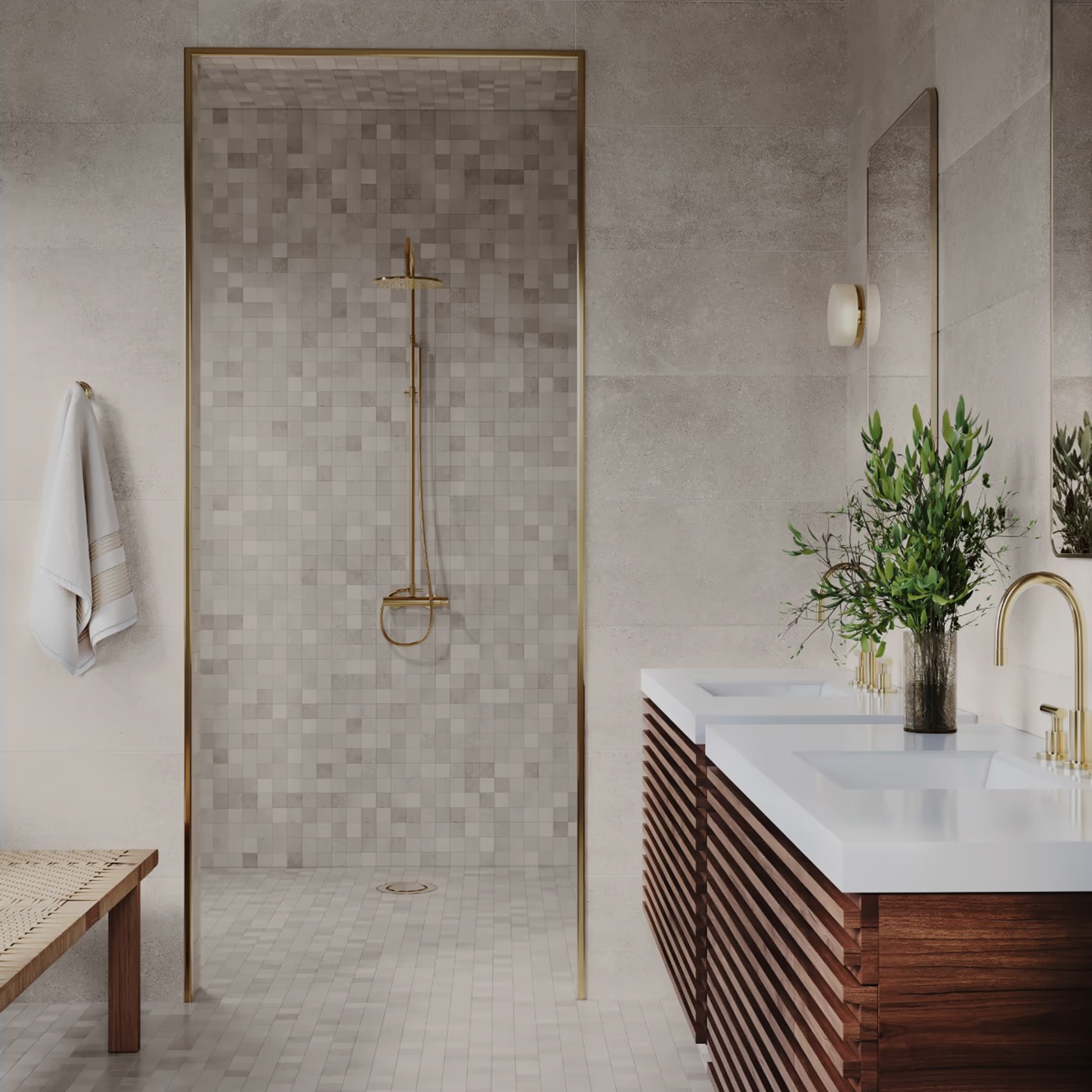
Shower floor: Porcelain and mosaic tiles work best for shower floors. Porcelain is durable and water-resistant, while mosaics—thanks to their many grout lines—offer excellent traction and design flexibility.
Shower wall: Porcelain and ceramic tiles are top choices for shower walls due to their water resistance, affordability, and low maintenance. Glass tile is also great for shower walls, providing a bright, reflective surface.
Outdoors: Natural stone and porcelain tile work best for outdoor pathways and patio areas. For pools, glass mosaics are popular for waterline or pool liner tile, while porcelain and natural stone are often used for pool coping and surrounds.
Conclusion
You have many options when picking tile for your project, but you’ll be able to whittle them down when taking the space’s location and intended use into account, as well as your budget and style preferences. If you need help deciding, our complimentary design experts are here to assist in picking materials, configuring layouts, and placing orders.
FAQ: Common Questions on Tile Types
What’s the difference between ceramic and porcelain tile?
Porcelain is a type of ceramic, yet not all ceramic is porcelain. Both are made from clay and fired in a kiln, but they differ in terms of durability and cost. For showers and floors, porcelain tends to outperform ceramic because of its lower water absorption and higher durability. However, it’s typically more expensive than ceramic, and ceramic is still suitable for a wide range of uses in lower-traffic, lower-moisture areas.
What is lavastone tile?
Lavastone is a natural stone made from cooled volcanic lava. It’s extremely dense and durable, often used outdoors or in high-traffic areas. Lavastone can be left natural or glazed for added color and protection.
Is all tile glazed?
No. Many ceramic and porcelain tiles are glazed, but some are unglazed for a more natural or textured finish. Most natural stone tiles are unglazed and may require sealing.
What’s the most durable tile?
Porcelain is widely considered the most durable tile for residential use due to its density, low water absorption, and resistance to chipping and wear. Certain natural stones, like granite or basalt, are also very durable but typically require more maintenance.
Does tile size matter?
Tile size affects both aesthetics and performance. Larger tiles create a cleaner, more seamless look, while smaller tiles work better on uneven surfaces or sloped areas like shower floors, where drainage is important.
Is tile waterproof?
Tile itself can be water-resistant, but it is not fully waterproof on its own. Porcelain and glass tiles absorb very little water, but waterproofing systems behind the tile—such as membranes and proper installation—are essential in wet areas like showers.
What tile is most resistant to mold?
Porcelain and glass tiles are the most resistant to mold because they absorb very little moisture. Mold typically forms in grout rather than on the tile itself, so proper sealing and maintenance are key regardless of material.
What tile is most resistant to slips?
Small-format tiles and mosaics tend to be the most slip-resistant because their many grout lines provide added traction. Matte or textured finishes also offer better slip resistance than polished surfaces.
Which tile is the most difficult to install?
Mosaics and natural stone tend to be more challenging to install. Mosaics demand precision, and natural stone often requires special cutting, sealing, and handling.
Can floor tiles be used on walls?
Yes. Floor tiles can usually be used on walls, as long as the wall structure can support the weight. However, wall tiles should not always be used on floors, as they may not be durable or slip-resistant enough.
What is lippage?
Lippage refers to a height difference between installed tiles, where one edge sits higher than the next. It’s more noticeable with large-format tiles and can result from uneven surfaces, improper installation, or natural tile variation.
Related Articles
Explore Our
Tilefinder