Visit
Visit 
Inspiring Bathroom Tile Ideas for Your Next Project
 Copy Link
 Email
Email
 Twitter
 Pinterest
 Instagram
 Facebook
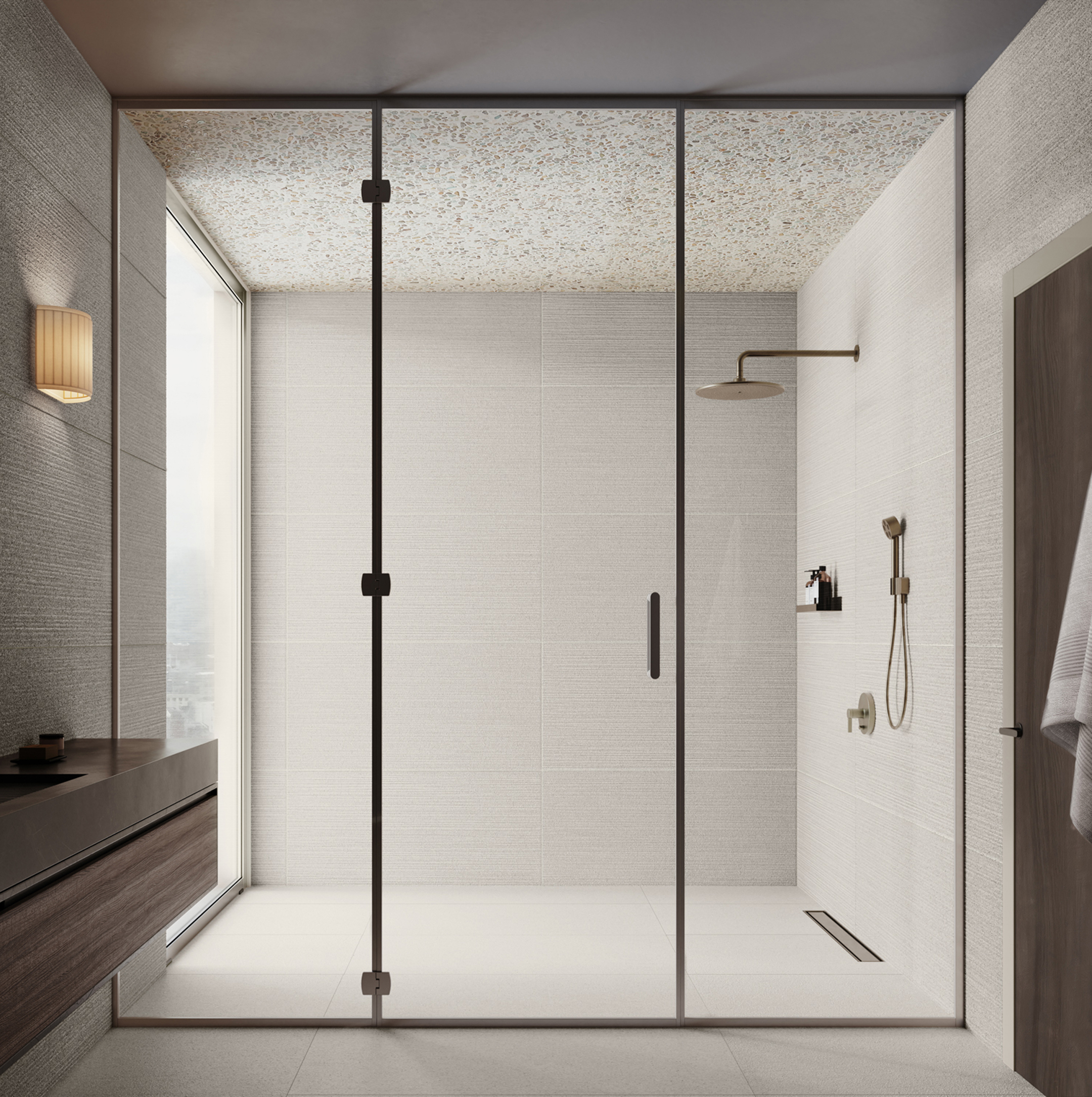
Bathrooms can be one of the most design-driven spaces in the home—and tile plays a major role in setting the tone. From floors and walls to showers and backsplashes, the right tile choice can shape everything from how large a room feels to how it functions. Whether you’re planning a full renovation or a simple refresh, these bathroom tile ideas highlight versatile styles, finishes, and formats to help guide your next project.
What Are the Top Bathroom Tile Design Trends Right Now?
Modern Black & White Bathrooms
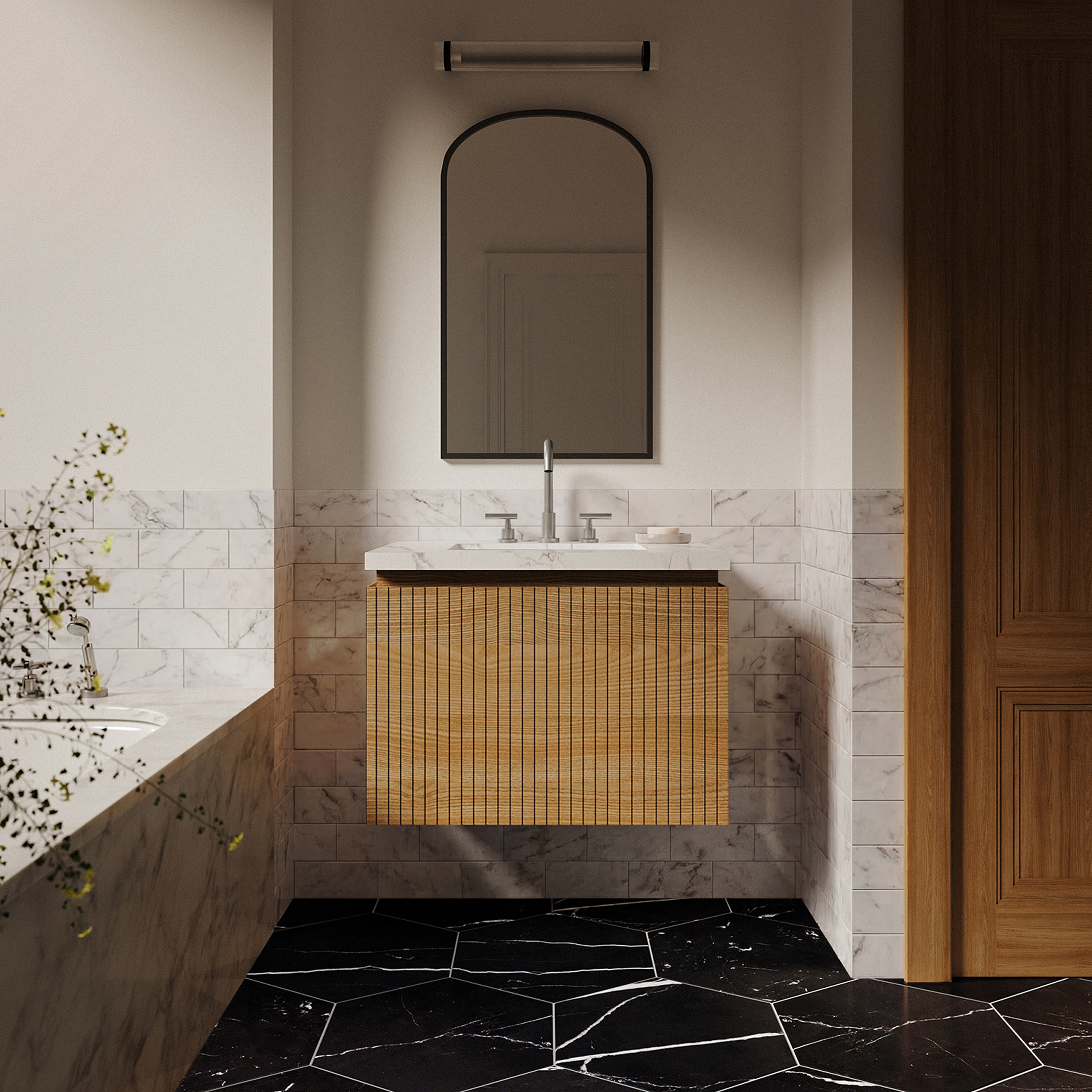
A black and white palette remains a favorite for good reason—it’s graphic, timeless, and endlessly adaptable. Patterned porcelain floors, crisp white wall tile, and matte black fixtures create contrast without overwhelming the space. For a softer take, pair white subway or zellige-inspired tiles with warm wood cabinetry or brushed metal accents.
Textured Tile for Added Dimension
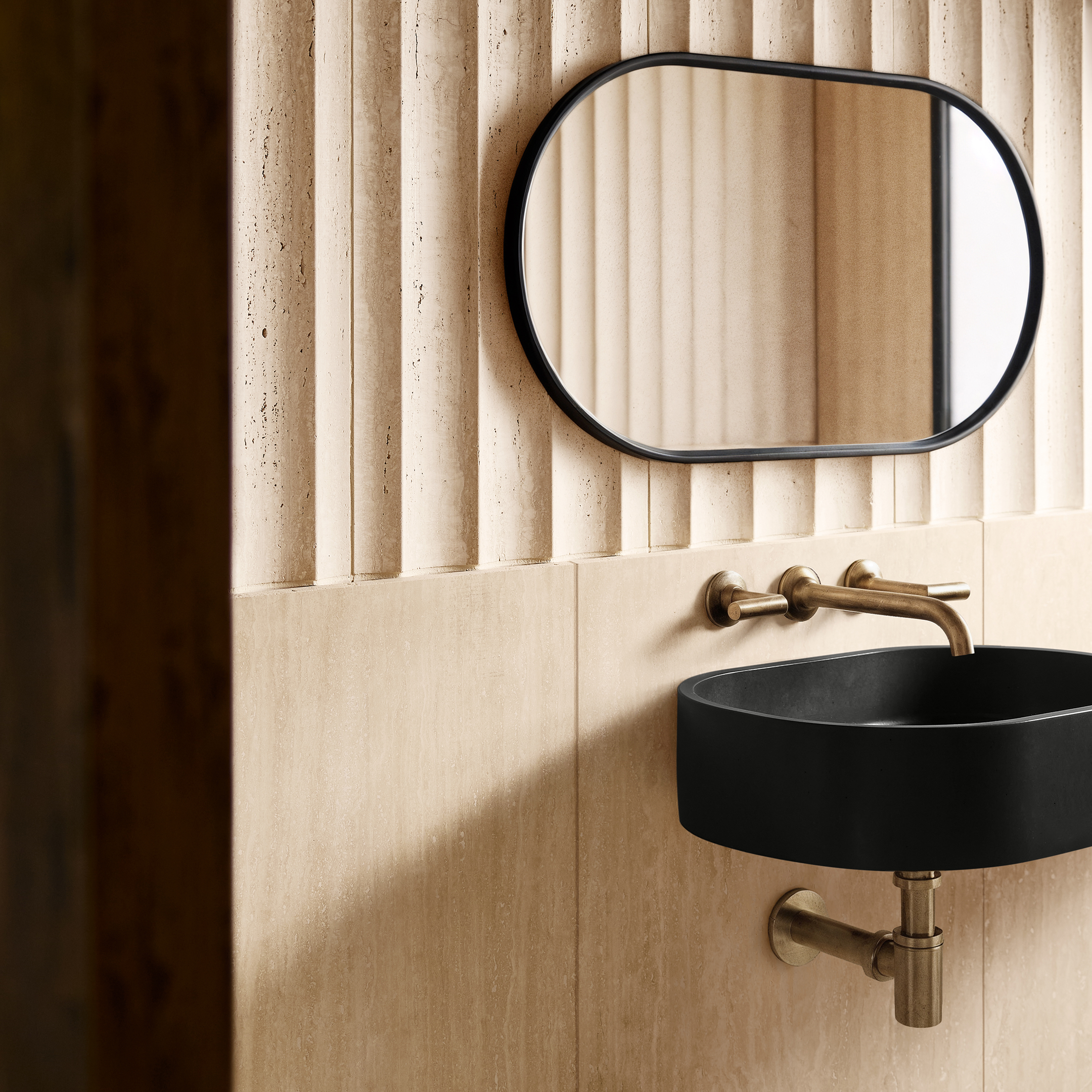
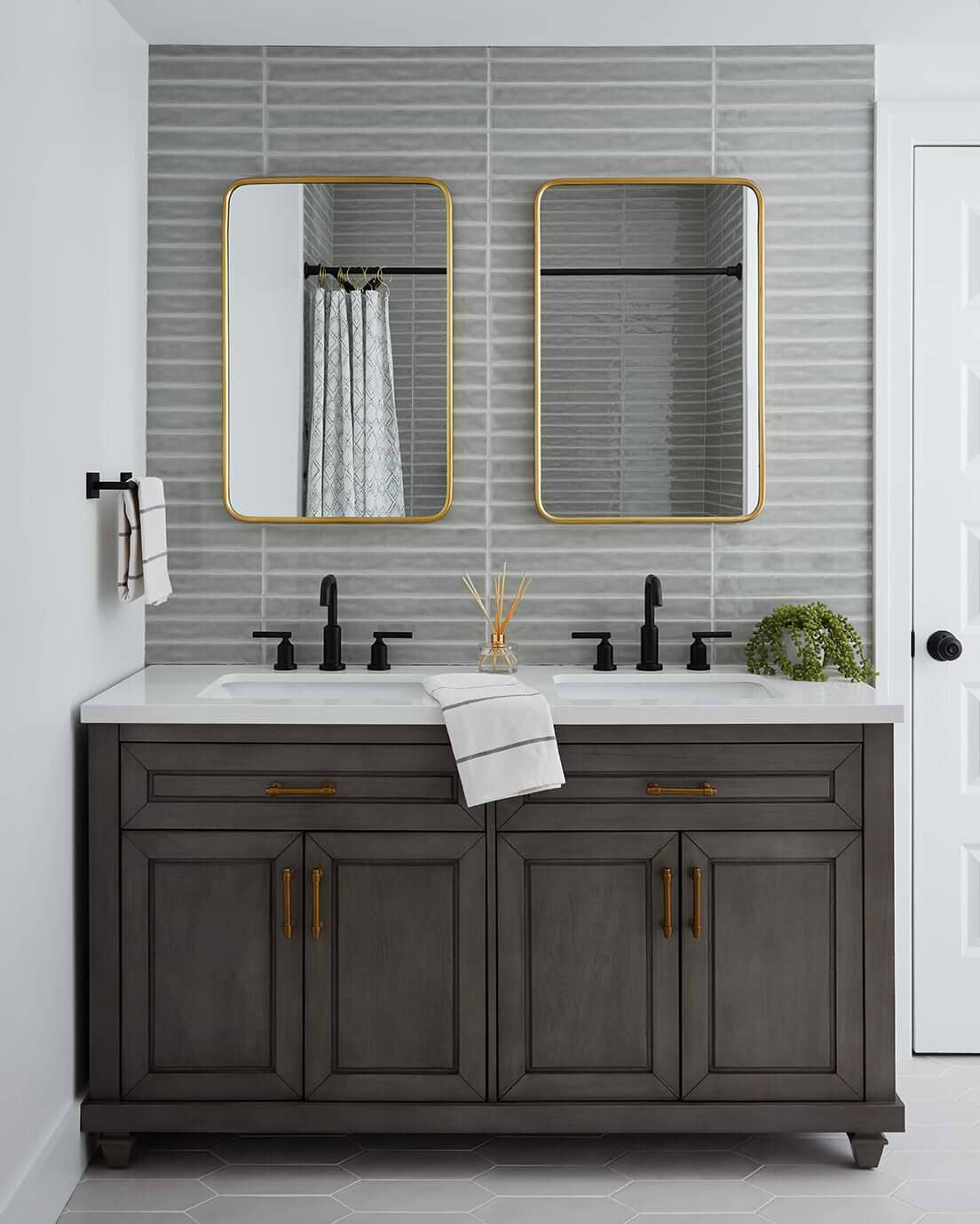
Texture is one of the easiest ways to introduce depth without relying on bold color. Raised patterns, fluted shapes, and glazed ceramic tiles catch the light differently throughout the day, giving walls subtle movement and visual interest. Since most textured tiles are intended for wall use, this approach works especially well for shower walls, backsplashes, or vanity surrounds.
Handmade-Look Tile for Organic Character
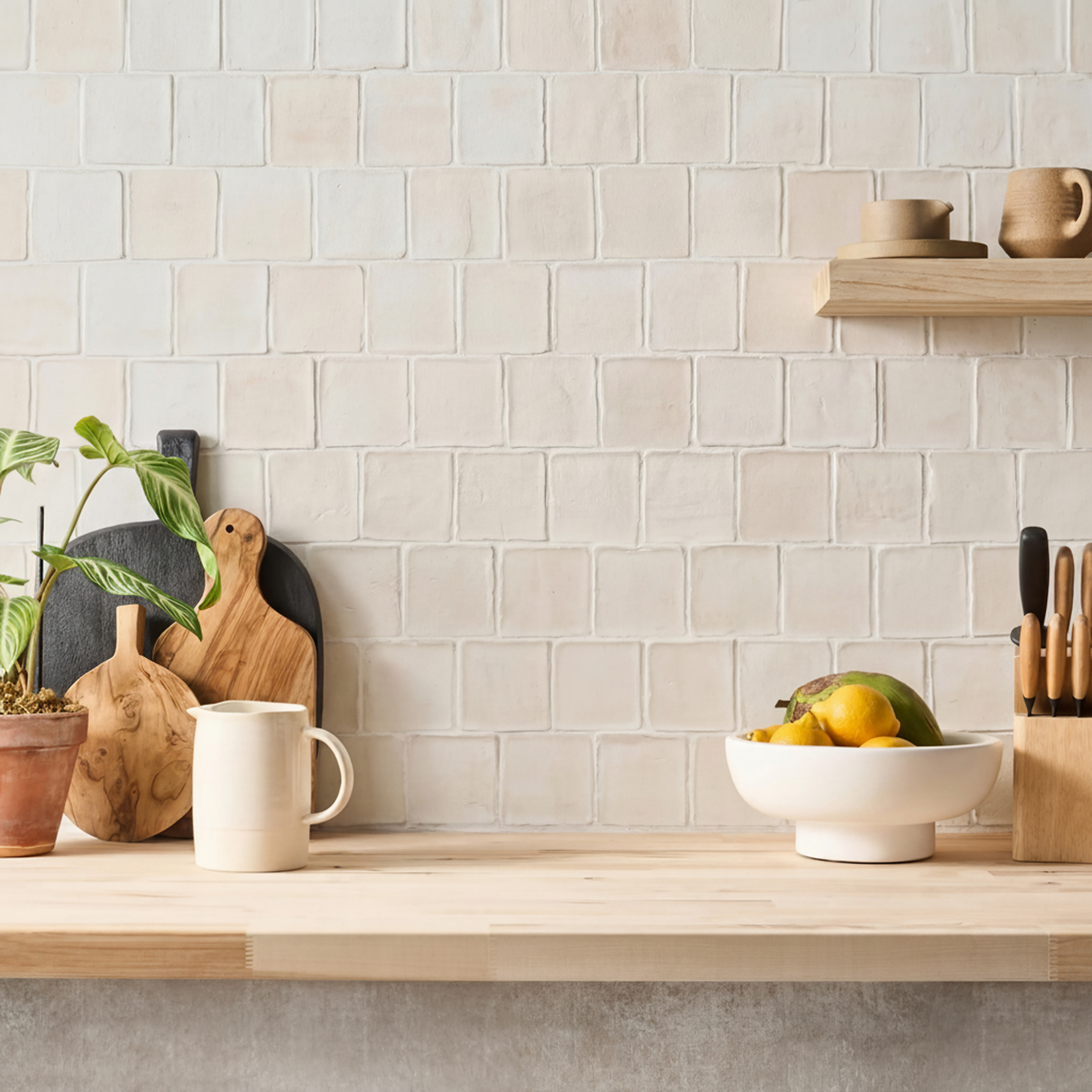
Tiles inspired by traditional craftsmanship—like hand-pressed ceramics—bring warmth and variation to modern bathrooms. Slight differences in color, edges, and surface finish make spaces feel layered and collected rather than overly polished. These tiles shine on feature walls or in showers where their natural variation becomes part of the design story.
Zellige Tiles
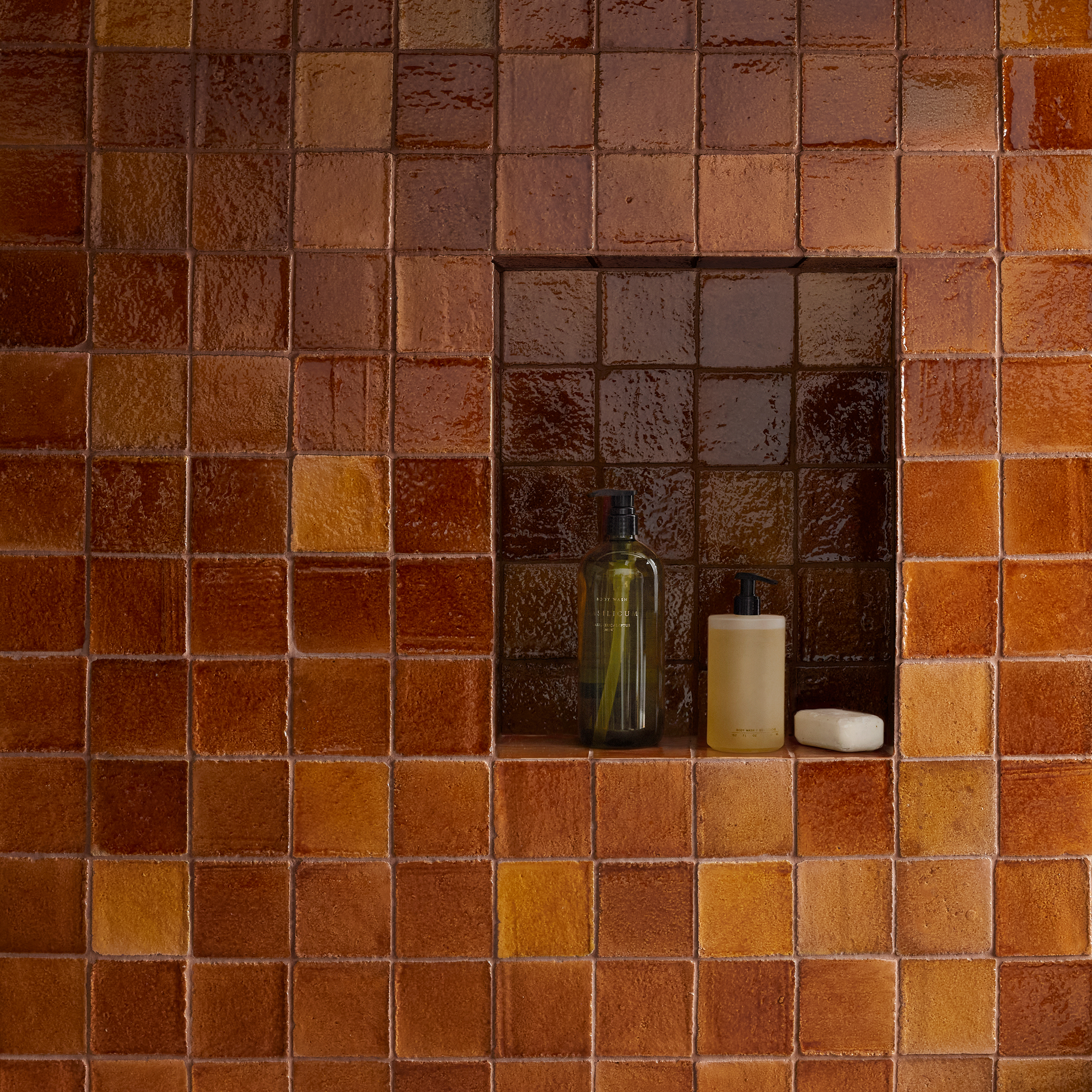
Tiles inspired by traditional Moroccan craftmanship—like zellige—bring subtle irregularity and depth to modern bathrooms. Variations in glaze, tone, and surface reflect light differently throughout the day, creating walls that feel layered and expressive rather than flat. Often used on shower walls, backsplashes, or vanity surrounds, zellige adds character, especially when paired with warm woods or brushed metal finishes.
Checkerboard
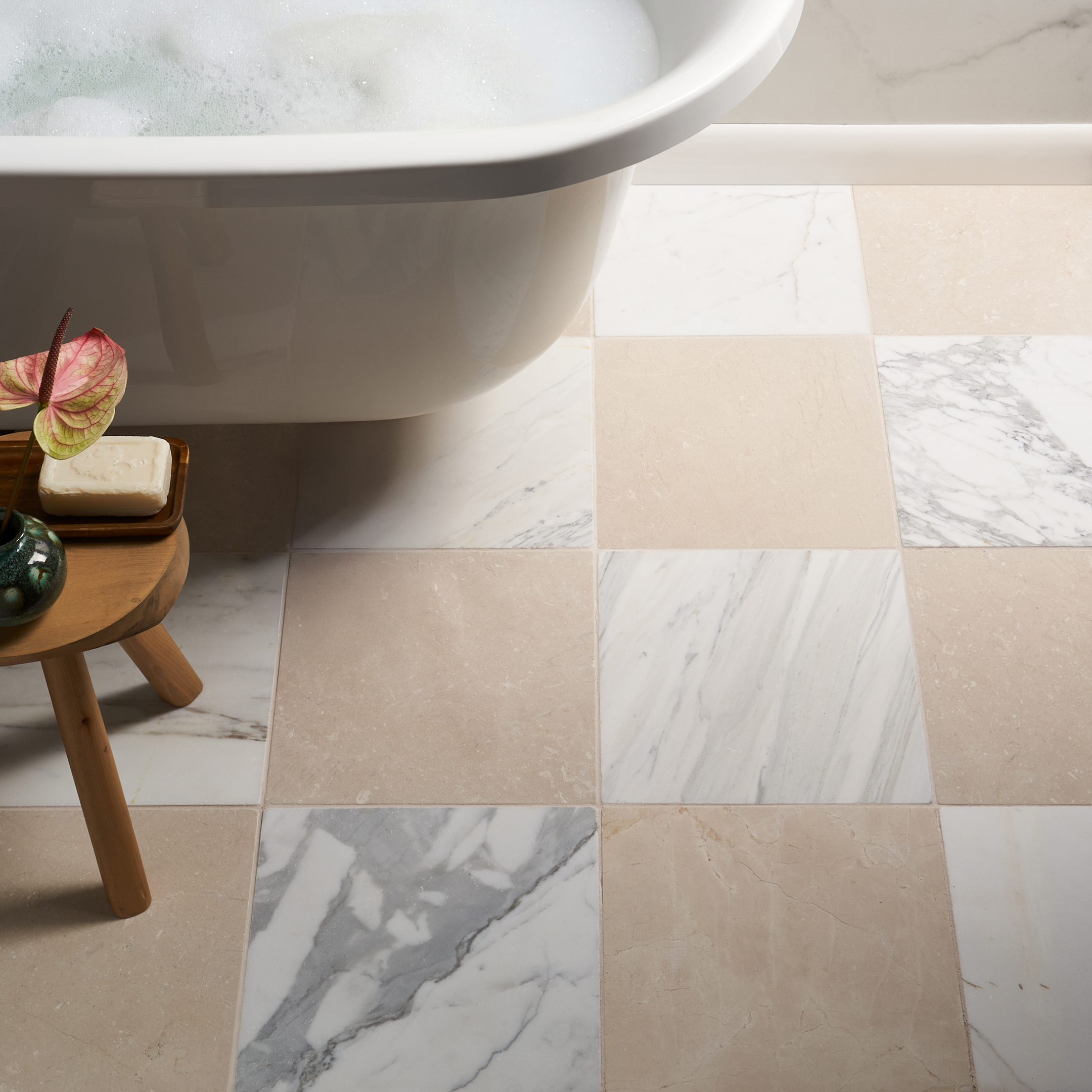
Checkerboard tile offers a bold pattern with lasting appeal, bridging classic design and contemporary styling. Today’s interpretations lean more refined—think softer contrasts, larger scales, or warm neutrals instead of stark black and white. Whether used on floors or as a statement wall, the pattern brings structure and visual rhythm to a bathroom while still feeling timeless when paired with simple fixtures and understated finishes.
Classic White Tiles
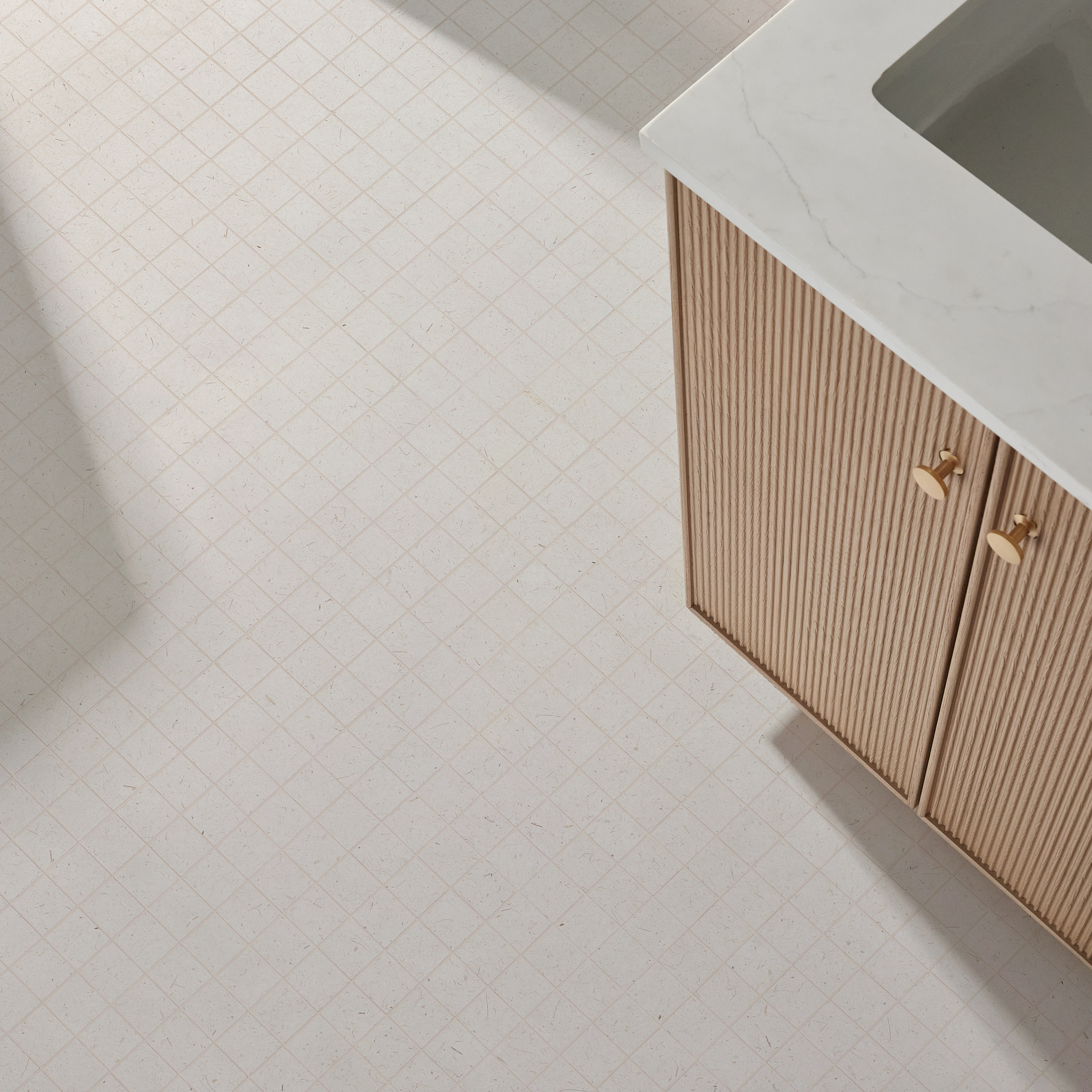
For those who prefer to skip color and pattern, white remains a timeless and versatile choice that adapts to any space or style. It reflects light, opens up smaller spaces, and works effortlessly across design styles—from traditional to contemporary. Large-format porcelain creates a clean, seamless look, while smaller mosaics or handmade-look tiles add softness and texture.
How Do You Choose the Right Bathroom Tiles?
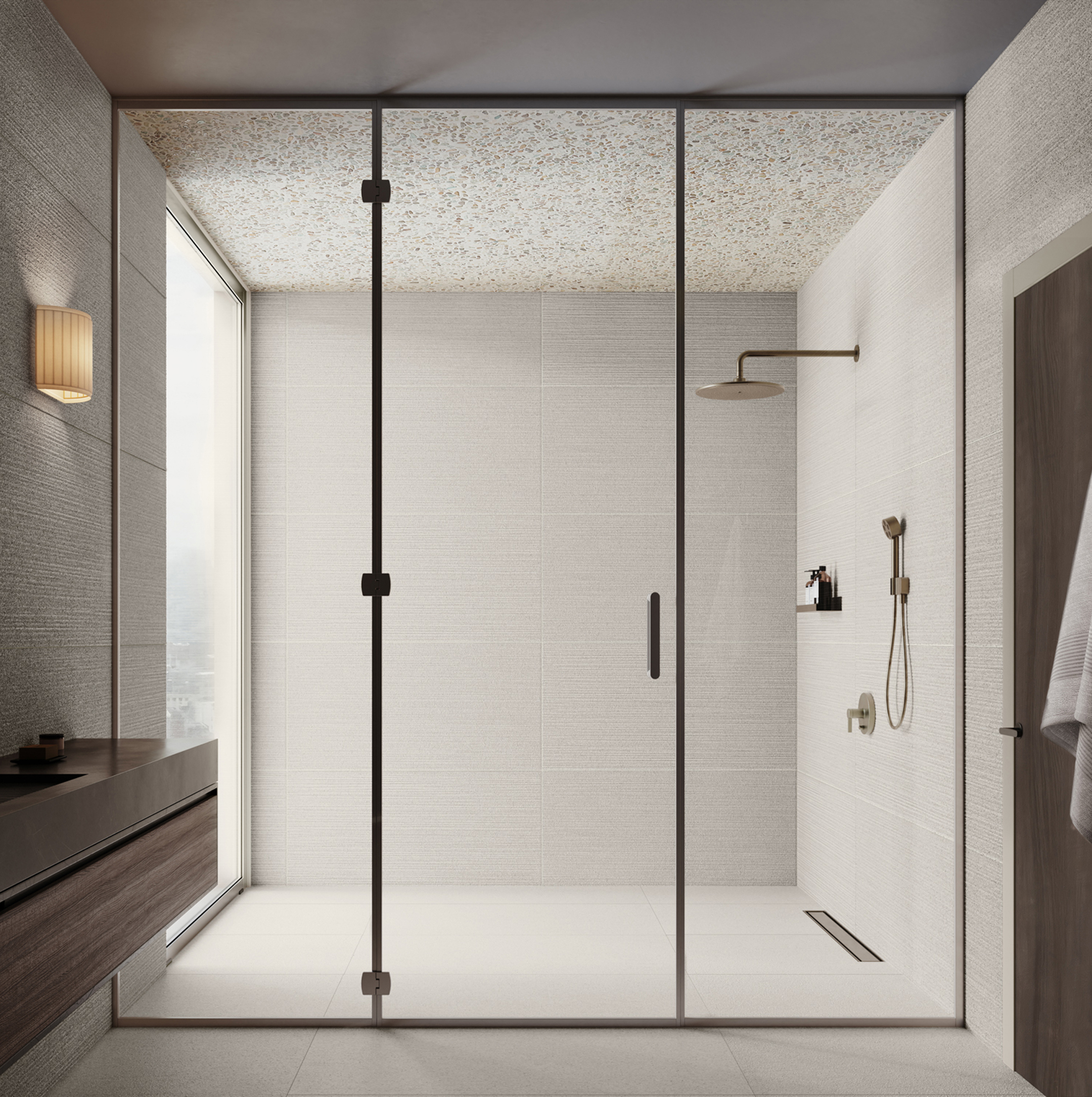
Choosing bathroom tile comes down to balancing function, style, and how the space will be used day to day. Your layout, lighting, and daily use should guide the final decision just as much as color or pattern.
- Start with where the tile will go. Floor tile needs to handle moisture and daily wear, while wall tile allows for more flexibility in finish, size, and texture. Shower floors, in particular, benefit from smaller tiles that provide better grip and drainage.
- Consider material. Porcelain and ceramic are durable, low-maintenance options well-suited for bathrooms. Natural stone offers more variation and character but typically requires sealing and ongoing care.
- Think about scale. Large-format tiles create a clean, open feel with fewer grout lines, which can make smaller bathrooms look bigger. Mosaics and other small formats work well for areas where slip-resistance matters, such as shower floors.
- Choose a finish that fits the space. Matte and textured finishes are ideal for wet areas and floors, while polished or glossy tiles reflect light and can brighten darker bathrooms when used on walls.
- Factor in upkeep. Grout color, surface texture, and material all affect how much cleaning is required: smoother tiles and fewer grout lines are easier to maintain over time.
How Can You Mix and Match Bathroom Tile Styles Successfully?
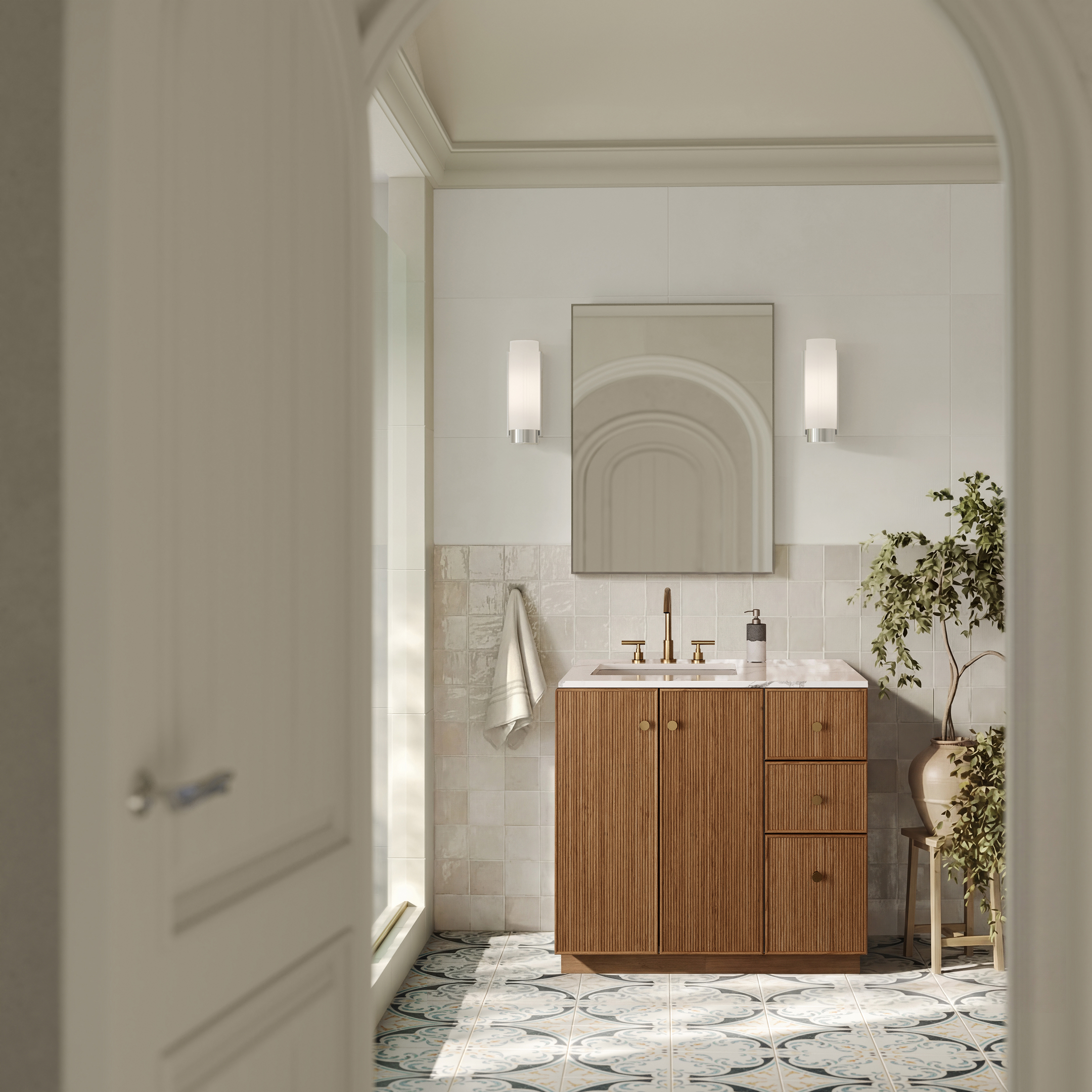
Mixing tile styles adds personality when done thoughtfully. A few design principles can help keep the look intentional rather than busy:
- Start with a neutral foundation. Choose one understated tile, such as a soft white, warm beige, or light gray, for the majority of the space to create visual calm.
- Use statement tile strategically. Introduce patterned or bold tile as an accent on one surface, like the shower floor, backsplash, or niche, rather than throughout the room.
- Stick to a cohesive palette. Limiting your selections to one color family (warm or cool) helps different materials and finishes feel related, even when styles vary.
- Layer texture before pattern. If you want dimension without overwhelming the space, mix smooth and textured tiles in similar tones before adding strong patterns.
- Edit ruthlessly. Keeping bold designs to one or two key areas ensures the room feels curated, not cluttered.
FAQ: Common Questions About Bathroom Tile Patterns
What are the latest trends in bathroom tiles?
Textured surfaces, handmade-look ceramics, and warm neutrals paired with natural materials continue to dominate current designs.
What tile colors are best for a bathroom?
Light neutrals like white, beige, and soft gray are the most versatile, while blues and greens add calming character.
What tiles are best for small bathrooms?
Light-colored tiles, larger formats, and minimal grout lines help make compact spaces feel more open.
What tile material is best for a bathroom?
Porcelain is often preferred for its durability and water resistance, though ceramic and natural stone are popular for walls and decorative areas.
Related Articles
Explore Our
Tilefinder